
And be not conformed to this world: but be ye transformed by the renewing of your mind, that ye may prove what is that good, and acceptable, and perfect, will of God.
(Romans 12:1-2)
The Ordinary Grace and Spiritual Discipline of Reading Scripture
In a dark and dying world characterized by criticism, cynicism, and disillusionment, we need to find our comfort in the ordinary means of grace our Lord has provided—His Word, the sacraments, and prayer. Of these, Scripture is key, since it is through His Word that God reveals Himself to us, that He forms the contours of our worldview and that He shapes the content of our devotion, our worship, and our prayers. The Protestant Reformers restored the primacy of this means of grace to the Christian life, but for them—and us—reading Scripture as a spiritual discipline must be more than just a few random verses in a daily devotional or speeding through a Bible reading plan in a year.


The Challenge
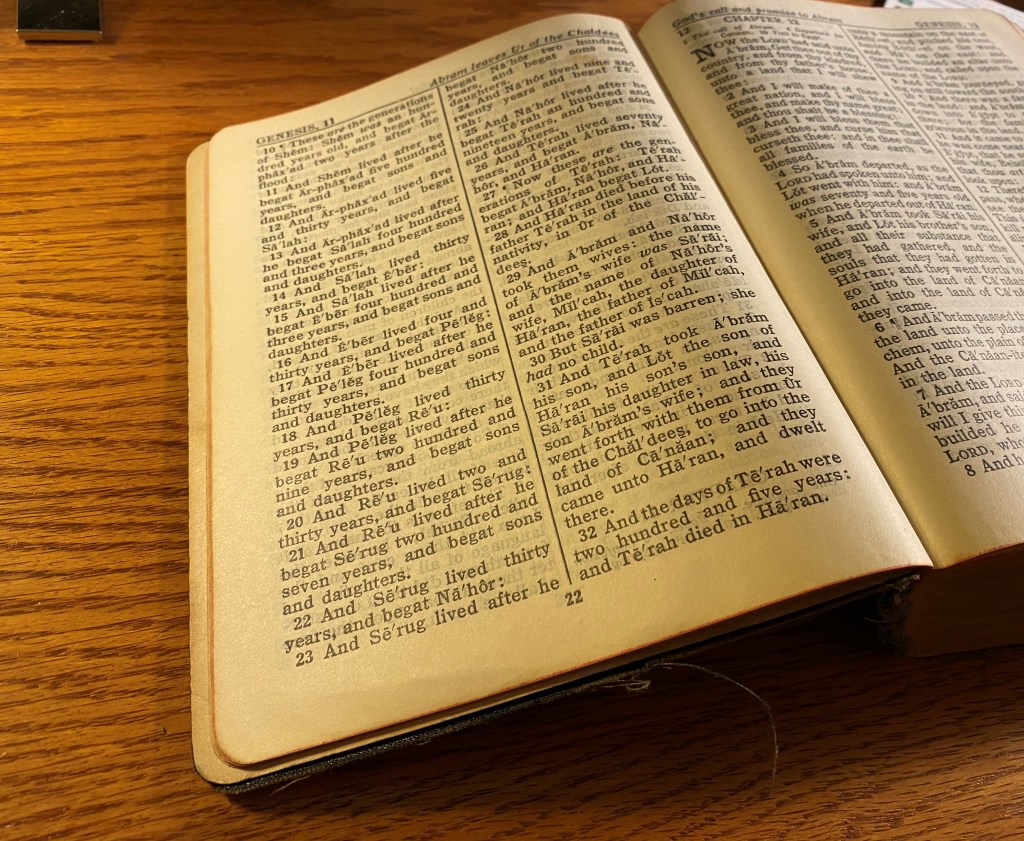
The Bible is not a mere devotional guide, a source book for inspirational thoughts, or a how-to manual for living. It is God’s revelation of Himself, comprised of 66 books written by 40 authors over the course of 1,500 years. Despite this complexity and diversely, God Himself ultimately is the One who inspired and superintended all of it and is therefore the real author. All Scripture is useful for the Christian, not just the New Testament or the words of Christ Jesus. Given this, how can we read Scripture coherently, rightly, and richly?
The answer is that we need to read it covenantally and confessionally. The purpose of this website is to help people do exactly that.
Reading Scripture Covenantally
Reformation theology has long recognized the centrality of God’s covenantal dealings with His people to His redemptive program. In the ancient Near East, covenants were the means by which a suzerain king would regulate relations with a vassal king. They were not just promises, oaths, or contracts, but rather, were more like treaties. God in His providence used covenants as the means to underscore both His lordship and the unbreakable nature of His relationship with His people. He truly will be their God and they will be His people. This provides the overarching vision, the narrative thread, and unifying coherence to how we read and interpret the Bible.

Reading Scripture Confessionally
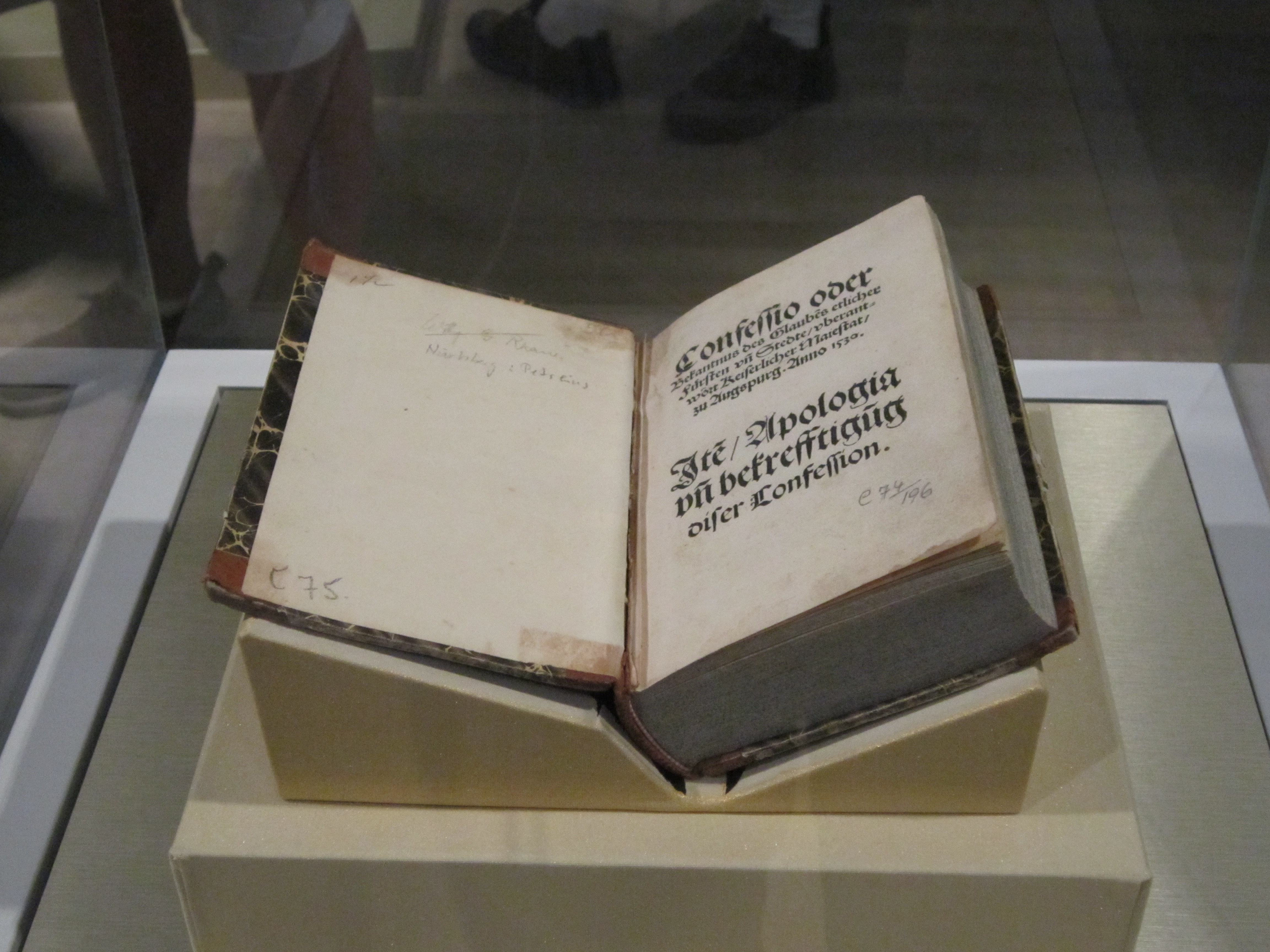
Over the centuries, Christian pastors, teachers, and theologians have reflected on Scripture and compared Scripture with Scripture on specific topics, coming to conclusions on what the Bible teaches as a whole on aspects of the Faith like who God is, who man is, and how man’s salvation is brought about. These conclusions have been codified into creeds, confessions, and catechisms. The Protestant Reformers were adept in pulling together such symbols for discipling the faithful, producing things like the Westminster Confession of Faith, the Larger and Shorter Catechisms, the Belgic Confession, the Heidelberg Catechism, and the Canons of Dort. Where the covenants provide a sense of the God’s lordship and redemptive work, the creeds, confessions, and catechisms delineate the contours of our holy faith. Both should be read together for sound spiritual formation.
Recent Posts


Featured Essay
“The Days of Creation”
Genesis 1:1-2:3 shows that God created “the world and all things therein… in the space of six days,” but the question arises as to how one should understand “in the space of six days,” whether literally or otherwise. This has been a preoccupation for many commentators for the past two centuries, but historically and contextually, the fundamental focus of the creation account needs to be on God more so than the creation. Nevertheless, the question remains the question of how to rightly understand the Days of Creation, because it affects how we view the reliability of Scripture. So, how should we understand the Days of Creation? This essay is addresses that question forthrightly.
Lectionary readings will come out weekly and other postings will publish on an ad hoc basis. If you subscribe, then you can get these sent automatically to your inbox (don’t worry–your inbox will not be flooded).

